For Entrepreneurs

Financial knowledge for people running small businesses in rural communities

Many small business owners in rural and indigenous communities manage their finances informally. Our workshops include content specifically relevant to entrepreneurs, covering topics like separating personal and business money, basic record-keeping, and protecting a business from fraud.

Small business focus Content relevant to micro and small enterprises
Free workshops No cost to participants
The Context

Running a business without formal financial tools

Small businesses in rural communities often operate entirely outside the formal financial system. Cash is kept at home or in informal savings groups. Business income and personal spending are not separated. There is no written record of transactions.

This is not a failure of the business owner. It reflects a lack of access to relevant information and, in many cases, a reasonable distrust of institutions that have not historically served these communities well.

Our workshops do not tell entrepreneurs what to do. They explain how formal financial tools work, what the trade-offs are between informal and formal approaches, and what questions to ask before making any financial decision.

Important: We do not provide financial advice

Glasrrisum workshops are educational. We explain how financial systems work. We do not advise participants on specific financial decisions, recommend products, or act as financial consultants. All decisions remain entirely with the participant.
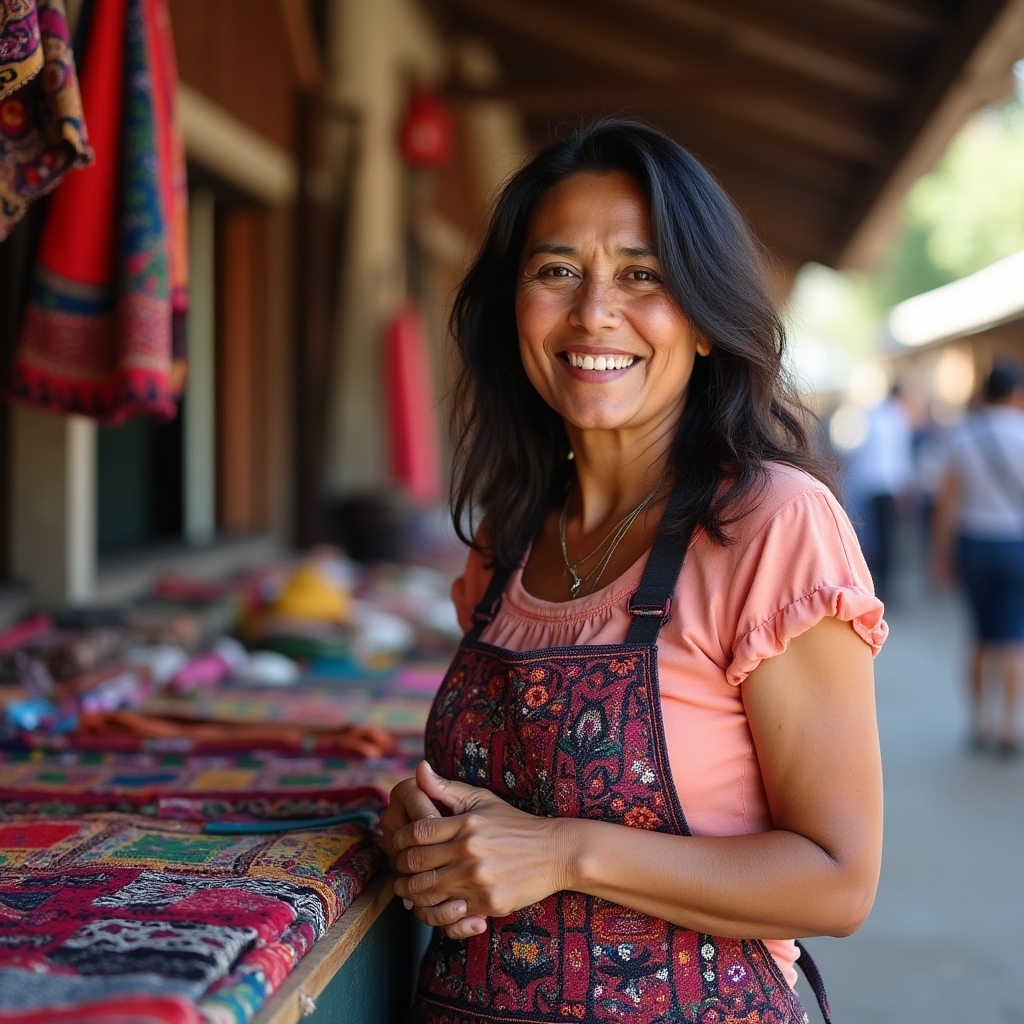
Small business owner in a rural community
Topics Covered

What entrepreneurs learn in our sessions

The following topics are covered as part of our entrepreneur-focused workshop content. They are presented as educational information, not as prescriptive advice.

Separating personal and business finances

An explanation of why mixing personal and business money makes it harder to understand whether a business is profitable, and how a separate account or record-keeping system can help clarify the picture.

Basic record-keeping

Simple approaches to tracking income and expenses without requiring accounting software or formal training. The goal is to understand the difference between revenue and profit, and to keep a record that can be referenced later.

Business accounts at formal institutions

How business accounts differ from personal savings accounts, what documentation is typically required to open one, and what the practical differences are between keeping business funds in a formal account versus at home.

Fraud targeting small businesses

Common fraud schemes that target business owners specifically: fake suppliers, fraudulent payment systems, and schemes that promise business financing in exchange for upfront fees. How to identify and verify legitimate offers.

Digital payments and transfers

An overview of how electronic transfers work in Mexico, including CoDi and other systems. What happens when a transfer is made, how to verify a payment was received, and what to do if a transfer does not arrive.

Understanding invoices and fiscal documents

A basic explanation of what a CFDI (digital fiscal receipt) is, when it is issued, and how it relates to the formal economy. This is presented as general information, not as tax advice.

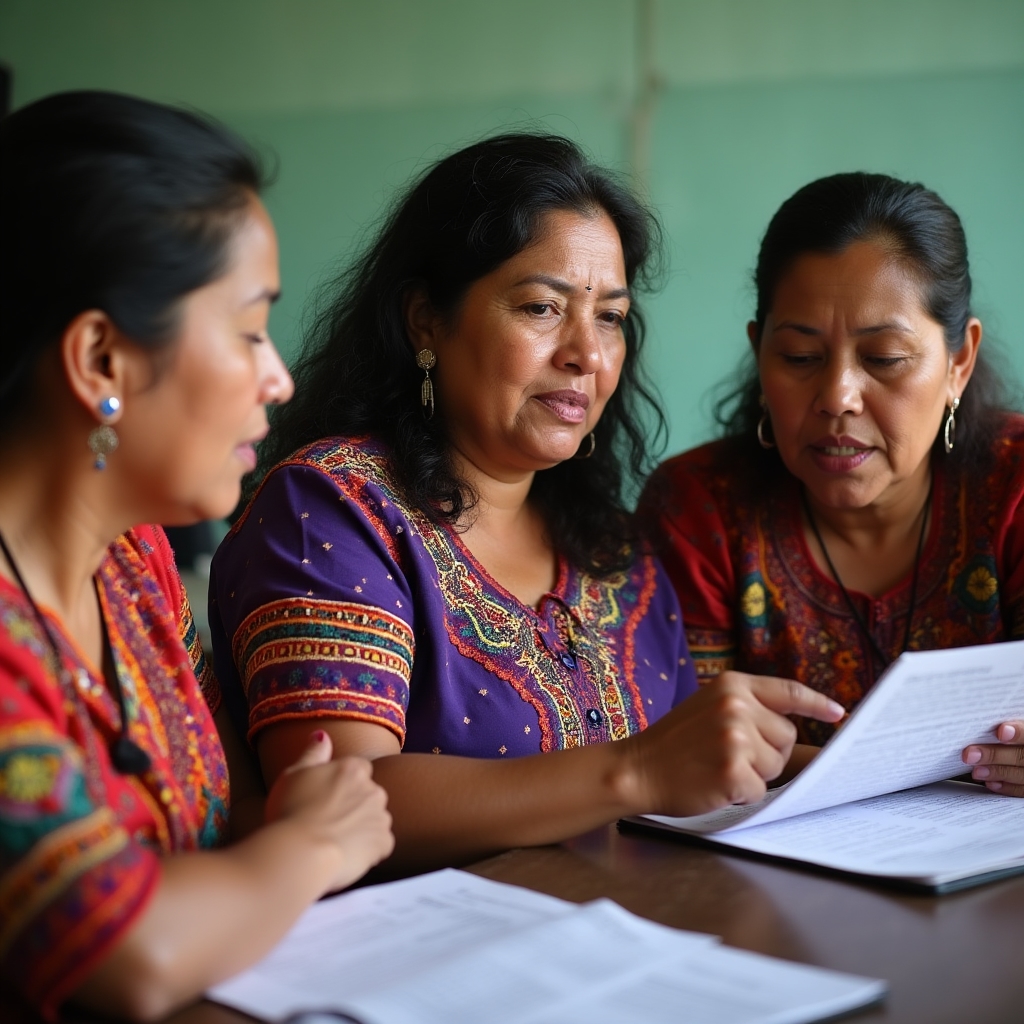
Community entrepreneurs in a workshop
Who This Is For

Anyone running or planning a small business in a rural community

Our entrepreneur-focused content is designed for people at different stages. Someone who sells goods at a local market, someone who runs a small food business from home, and someone thinking about starting a small service business can all find relevant content in our sessions.

Formal registration is not required. We do not ask about tax status or business structure. The content is informational and applies regardless of whether a business is formally registered or not.

Market vendors and traders
People who buy and sell goods at local markets, including those who travel between communities.
Home-based producers
People who produce food, crafts, or other goods at home and sell them locally or through cooperatives.
Agricultural producers
Farmers and agricultural workers who sell produce and need to manage seasonal income and expenses.
Get Involved

Bring entrepreneur-focused workshops to your community

If you work with small business owners, cooperatives, or entrepreneurship programs in rural communities, reach out to discuss how our workshops can be integrated into your existing activities.