Three modules. One practical goal.
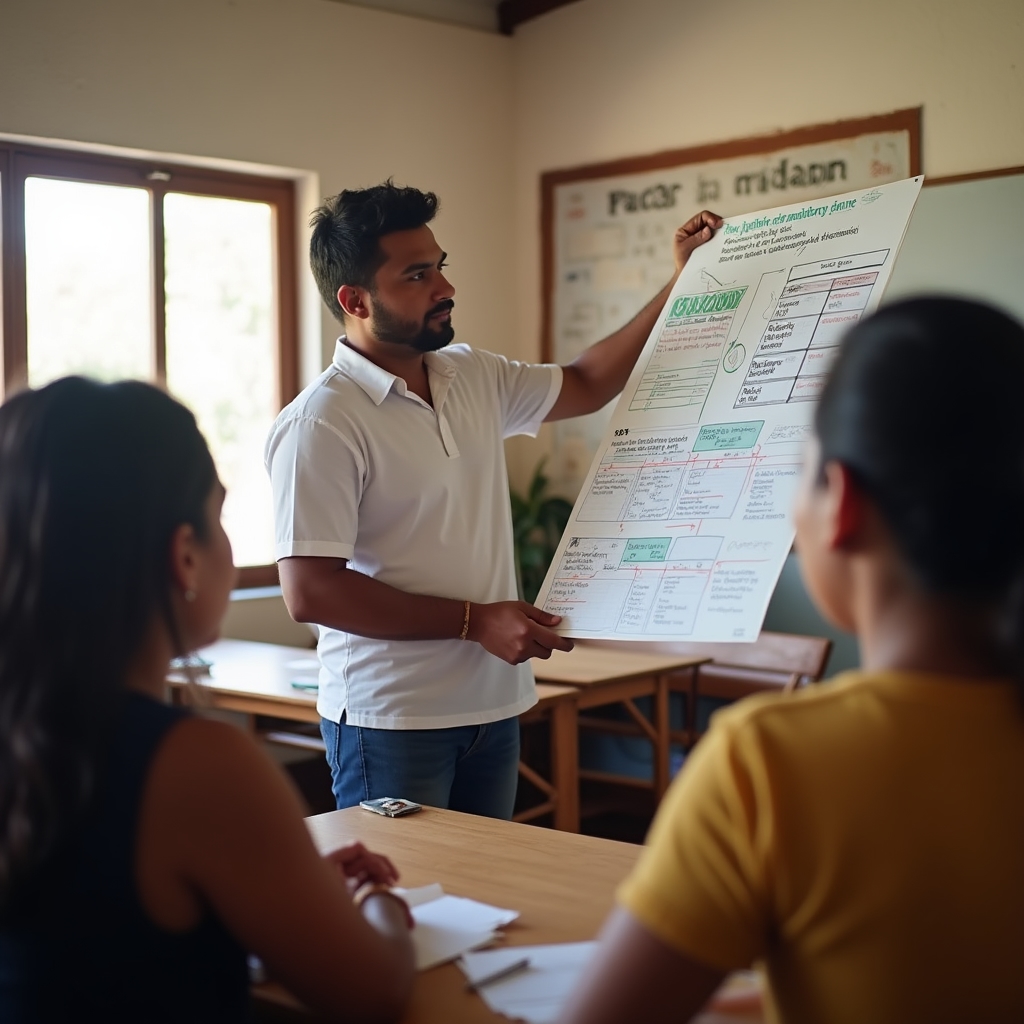
Formal Savings: Understanding the Basics
This module explains what a formal savings account is, how it differs from keeping money at home or in informal savings groups, and what the process of opening one looks like. Participants explore the roles of banks, credit unions (cajas de ahorro), and other regulated institutions.
The session covers how deposits work, what documentation is typically required, and how to read a basic account statement. It also addresses common concerns: What happens if the bank closes? What is IPAB and what does it cover? These are explained factually, without recommending any specific institution.
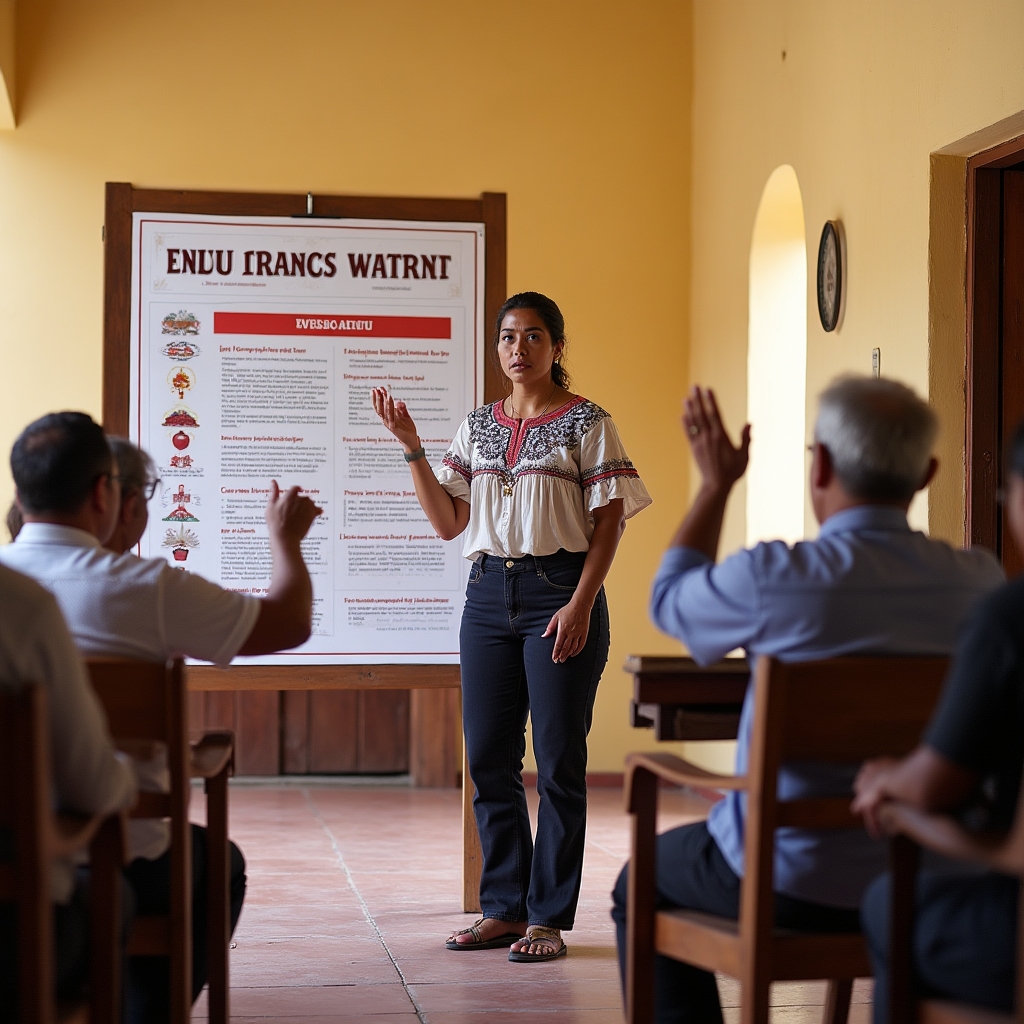
Fraud Prevention: Recognizing and Responding
Rural communities are frequently targeted by financial fraud schemes. This module identifies the most common patterns: phone-based scams posing as government agencies or banks, in-person schemes offering high returns on informal savings, and fraudulent collection of personal data.
Participants learn what legitimate institutions do and do not do when communicating with account holders. The session includes an overview of CONDUSEF, the national consumer protection agency for financial services, and how to file a report. Practical scenarios are discussed in the local language.
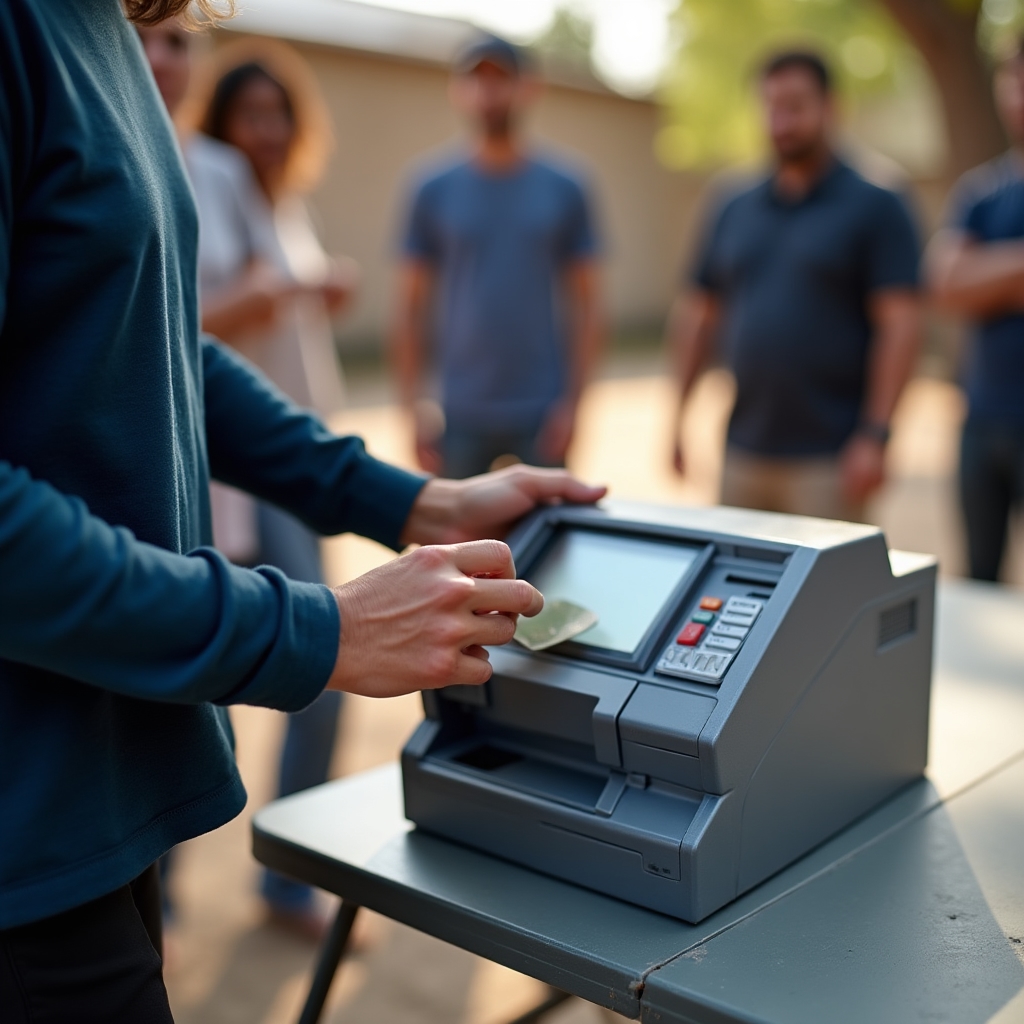
ATM Use: Safe and Confident Transactions
For people using an ATM for the first time or infrequently, the process can feel unfamiliar and stressful. This module walks through each step of a typical ATM transaction: inserting the card, entering a PIN, selecting a transaction type, collecting cash and receipts, and safely exiting.
The session also covers what to do when problems arise: a card is retained, the machine does not dispense cash, or the screen shows an error. Participants learn how to protect their PIN and how to identify signs of tampering on a machine. Where possible, sessions include hands-on practice with demonstration equipment.
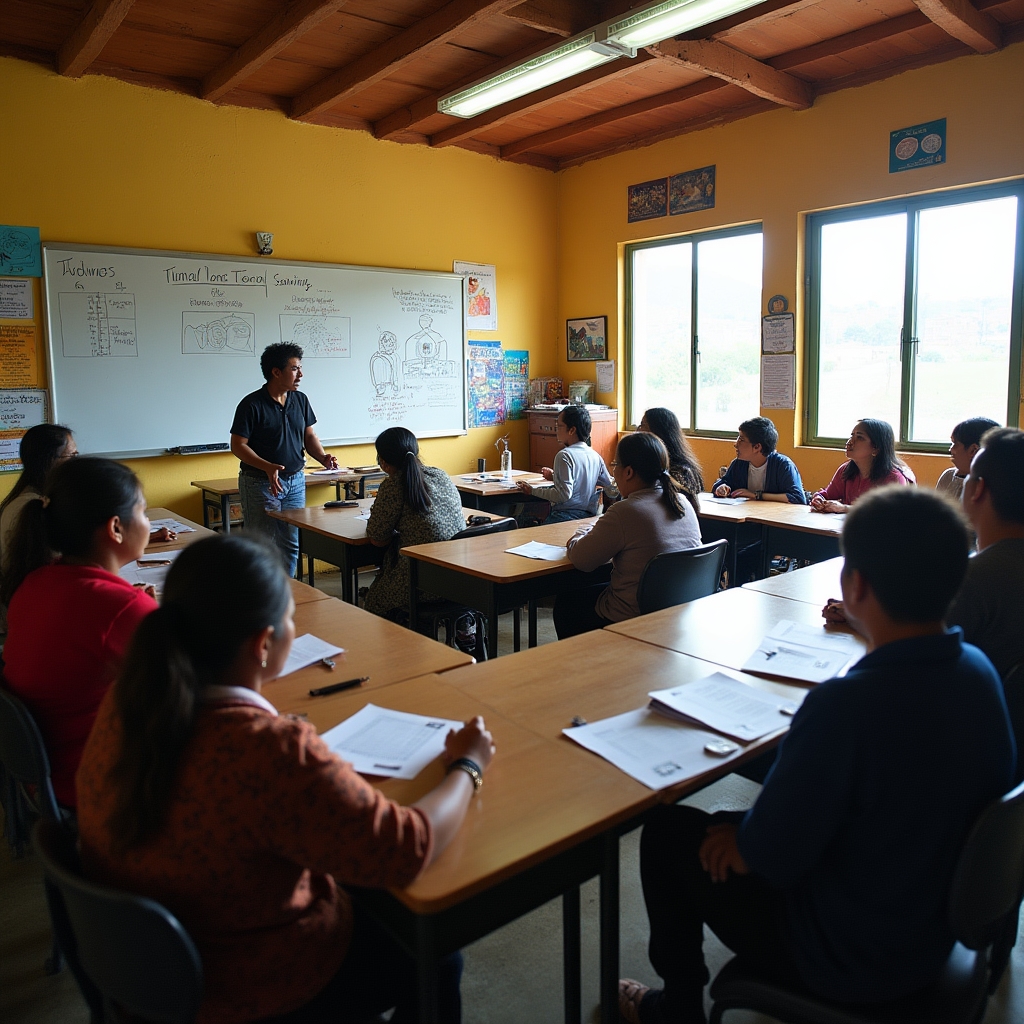
How Sessions Are Structured
Each workshop runs between two and three hours, depending on group size and the number of questions. Sessions begin with an introduction to Glasrrisum and a clear statement that we do not handle money or sell services. This transparency is a consistent part of every session.
Content is delivered through a combination of facilitated discussion, visual materials, and direct question-and-answer time. Printed reference sheets are provided for participants to take home. All materials are available in Spanish and in the relevant local language.